Lake Eyre Photography: Capturing Australia’s Desert Masterpiece
If you’ve ever dreamed of photographing vast, untouched landscapes that seem to stretch endlessly, Lake Eyre should be on your bucket list. Known to the Arabana people as Kati Thanda, Lake Eyre is Australia’s largest salt lake and a visual wonder that transforms dramatically depending on the season.
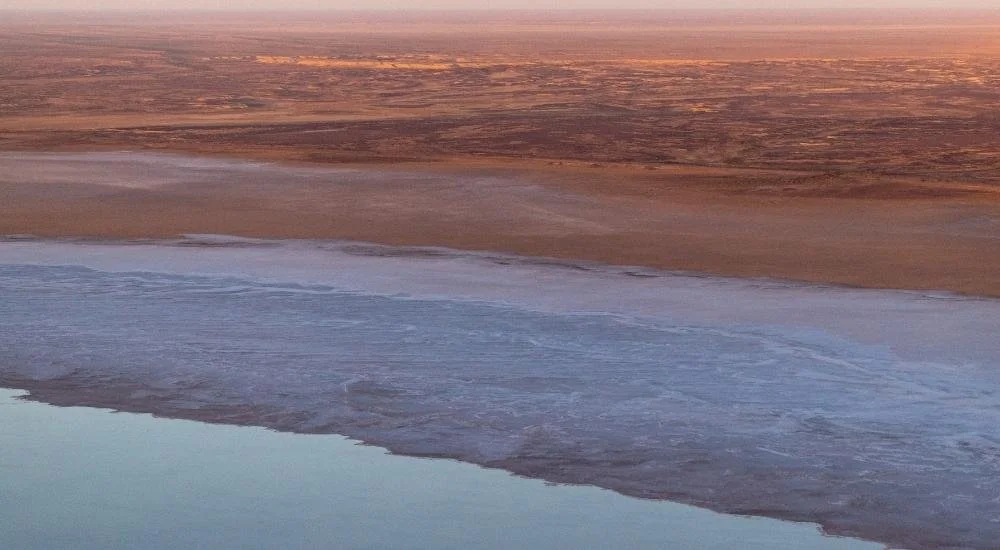
From stark, cracked salt pans to mirror-like flooded expanses, the lake offers a playground for photographers and adventure seekers alike.
Planning a photography trip to Lake Eyre isn’t just about showing up with a camera. Access is mostly via 4WD tracks, conditions can be unpredictable, and timing is everything if you want those perfect reflections or a flock of pelicans in flight. In this guide, we’ll walk you through everything you need to know to capture Lake Eyre in its full glory.
Understanding Lake Eyre’s Visual Seasons
One of the biggest challenges for photographers is knowing what you’ll find when you arrive. Lake Eyre’s appearance can change dramatically depending on rainfall, evaporation, and flooding.
Dry Salt Pan
When the lake is dry, it transforms into a vast, white desert. The surface cracks into intricate patterns that stretch to the horizon, creating natural textures perfect for abstract compositions. Early morning or late afternoon light casts long shadows, giving depth to these patterns. The dry season is also ideal for drone photography, which captures the scale of the salt plains.
Partial Flood
After rainfall in the northern catchments, shallow waters spread across parts of the lake. These floods create reflective surfaces, perfect for dramatic landscape shots. You can photograph mirrored skies, isolated birdlife, and even subtle color changes in the water caused by algae.
Full Flood
Full floods are rare, having occurred only a handful of times since European settlement. When they happen, the lake transforms into a shallow, temporary wetland. Pink hues appear due to Dunaliella salina algae, and thousands of waterbirds flock to the area. This is the ultimate photographer’s dream, offering vibrant colors and life-filled landscapes.
| Season | Visual Highlights | Photography Tips |
|---|---|---|
| Dry | Cracked salt patterns, sand dunes | Use wide-angle lenses and shoot sunrise or sunset |
| Partial Flood | Shallow reflections, isolated wildlife | Polarizing filters and low angles |
| Full Flood | Mirror-like water, pink algae, birdlife | Telephoto for wildlife, aerial shots with drone |
Best Photography Locations
Lake Eyre is enormous, covering almost 10,000 square kilometers when full, so knowing the best vantage points is essential. Here are some must-visit spots:
Halligan Bay Lookout
This is the most iconic spot for photographers. From here, you can capture panoramic shots of the northern lake section, with its vast salt flats and occasional wildlife of lake eyre. Sunrise and sunset are particularly magical, and the lookout provides clear views of both flooded and dry areas.
William Creek and Surrounding Floodplains
Situated on the edge of the southern lake basin, William Creek offers excellent access to unique salt patterns and reflections. If you time your visit after rainfall, you might catch the lake’s surface shimmering with shallow water.
Oodnadatta Track Viewpoints
Driving along the historic Oodnadatta Track offers multiple opportunities for roadside photography. Tracks and tire marks on the salt can act as leading lines in your compositions, and the vast expanse of the lake provides an endless horizon for wide shots.
Elliot Price Conservation Park
This area is fantastic for bird photography, particularly during partial or full floods. Pelicans, banded stilts, and avocets congregate here, giving you the chance to capture rare wildlife interactions against the backdrop of Lake Eyre.
When planning, consider the safety and accessibility of each location. Most viewpoints require 4WD vehicles and careful timing to avoid soft sand or flooded tracks.
Essential Photography Gear
Lake Eyre can be challenging for photographers, so packing the right equipment is crucial.
Cameras
A DSLR or mirrorless camera offers the best control and image quality, but modern smartphones with wide-angle lenses can also capture stunning shots.
Lenses
Wide-angle: essential for expansive salt flats and reflections.
Telephoto: ideal for birdlife and distant details.
Prime lenses: perfect for low-light conditions during sunrise and sunset.
Accessories
Tripod: stabilizes your shots, especially for long exposures.
Polarizing filter: reduces glare on water and enhances colors.
ND filters: for creative effects with water or clouds.
Drone: provides aerial perspectives of the salt pans, tracks, and water patterns.
Other Essentials
Extra batteries and memory cards.
Sun protection: hat, sunscreen, and protective clothing.
Water and snacks, especially if you plan to shoot for several hours in remote areas.
Packing right reduces anxiety and ensures you don’t miss those fleeting photo opportunities.
Composition and Shooting Techniques
Lake Eyre presents unique challenges for composition because of its sheer scale. Here’s how to make your photos stand out:
Leading Lines
Use tracks, tire marks, or natural salt patterns to guide the viewer’s eye into the frame.
Reflections
Partial or full floods create stunning mirror effects. Position yourself low to enhance reflections of clouds or wildlife.
Aerial Photography
A drone provides perspective that ground-level shots cannot. Capture the lake’s size, patterns, and water distribution from above.
Lighting
Golden hour is king. The soft morning and evening light accentuates textures and colors, especially in the dry season. Avoid harsh midday light that can flatten the landscape.
Wildlife Interaction
Birds like pelicans, stilts, and gulls are the most active during floods. Capture them in flight or perched against reflective waters for dramatic impact.
Safety and Planning Tips
Lake Eyre is remote and can be unforgiving. Your safety is just as important as your photography.
Driving
Most access requires 4WD vehicles. Check track conditions via Outback Roads & Parks SA. Avoid driving after heavy rainfall.
Weather
May to October is the ideal time to visit. Avoid summer heat and potential flooding.
Hydration and Health
Carry at least 20 liters of water per person per day, snacks, and first aid supplies.
Respect Local Land
Stay on marked tracks, avoid disturbing wildlife, and respect the Arabana people’s cultural sites.
Editing and Sharing Tips
While Lake Eyre’s natural beauty speaks for itself, subtle post-processing can elevate your shots:
Adjust exposure and contrast to highlight textures in salt pans.
Enhance colors to make reflections and pink algae pop.
Crop thoughtfully to emphasize leading lines or symmetry.
Share responsibly on social media. Use geotags like Lake Eyre or Halligan Bay but always respect private property and wildlife.
Embedding this helps your audience feel confident that their trip will produce shareable, memorable images.
Suggested Photography Itineraries
2-Day Trip
Day 1: Marree to Halligan Bay, capturing sunrise and sunset shots.
Day 2: Oodnadatta Track for aerial shots and wildlife photography.
3-Day Trip
Day 1: William Creek for flood reflections.
Day 2: Halligan Bay panoramic and Elliot Price Conservation Park for birds.
Day 3: Aerial photography from scenic flights to capture the lake in scale.
Short itineraries help visitors plan trips effectively and reduce the fear of missing key photo opportunities
Conclusion
Lake Eyre is more than just a salt lake. It is a photographer’s paradise, a place where light, water, wildlife, and landscape converge to create scenes that are almost otherworldly. Whether you aim to capture dramatic reflections, intricate salt patterns, or flocks of pelicans in flight, preparation, timing, and respect for the environment are key. Plan carefully, pack the right gear, and immerse yourself in one of Australia’s most visually spectacular deserts. Every photograph here tells a story of isolation, beauty, and fleeting natural magic.
Book your Lake Eyre photography tour today and experience a landscape that few get to see in person. Your perfect shot is waiting.
-
May to October is ideal. Floods create reflections and wildlife activity, while dry seasons reveal striking salt patterns.
-
No, but drones provide unique aerial perspectives that capture the lake’s scale and patterns better than ground shots.
-
Yes, maintain distance from birds and nesting sites. Avoid disturbing their natural behavior, especially during floods when many species congregate.
-
Yes, with a 4WD and proper preparation. Check track conditions via Outback Roads & Parks SA, carry sufficient water, and travel in a convoy if possible.