Pelicans at Lake Eyre: Witness the Outback’s Feathered Spectacle
If you’ve ever dreamed of seeing thousands of birds take over a desert, Lake Eyre, or Kati Thanda, is the place to make that dream real. Nestled deep in South Australia, around 750 kilometers north of Adelaide, this vast salt lake is usually a shimmering white expanse under the sun.
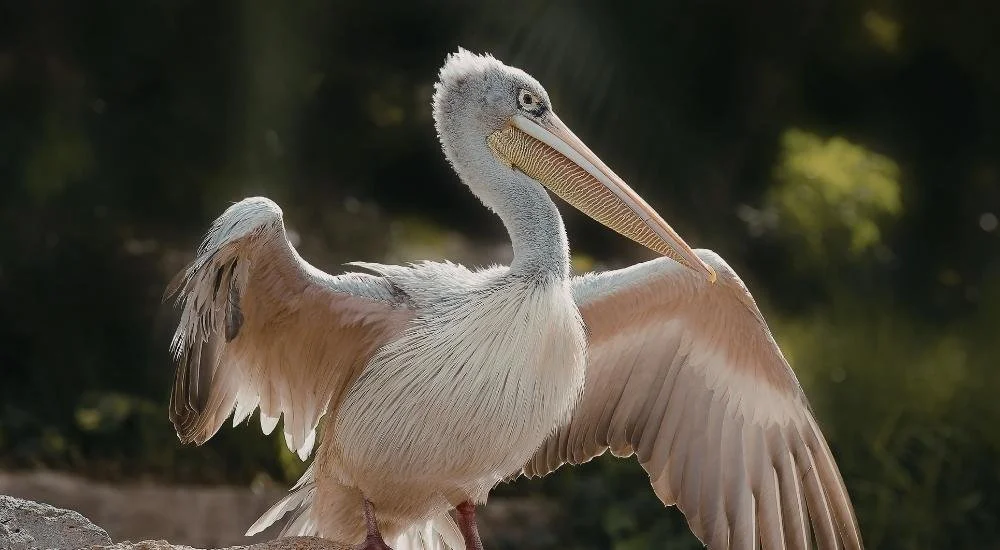
Yet, after the rare rains fill its basin, the lake transforms into a bustling sanctuary for wildlife, and few sights compare to the massive congregations of Australian pelicans. Their arrival is sudden, magical, and fleeting, turning the barren salt flats into a surreal tableau of life, movement, and colour.
Seeing pelicans at Lake Eyre is more than a birdwatching trip. It’s a visceral experience, one that appeals to the adventurer, the wildlife enthusiast, the photographer, and anyone with a sense of awe for Australia’s untamed outback.
But timing, preparation, and understanding the lake’s unique ecology are crucial. Pelicans appear only after floods, so visitors are often left wondering when the right time is and how to get there safely. By the end of this guide, you’ll know exactly how to plan your visit and fully appreciate this remarkable spectacle.
How Floods Bring Pelicans to Lake Eyre
Lake Eyre is a strange place. For most of the year, it is a vast salt flat, cracked and dry under the relentless sun. But when rains upstream in Queensland, the Northern Territory, and South Australia fill its rivers, the basin awakens. The Warburton, Cooper, and Georgina Rivers feed the lake, and their rare floods can transform it in a matter of weeks.
Pelicans track these floods with astonishing accuracy. They travel hundreds of kilometers from southern rivers and wetlands, arriving en masse to feast on the sudden explosion of fish and crustaceans.
The sudden abundance of food triggers their migratory instincts, resulting in enormous gatherings. Some floods have brought over 100,000 pelicans to the lake, creating one of the largest bird spectacles in Australia.
This unpredictability is part of the allure. Visitors often worry about “what if I miss it” or “will the birds even be here when I arrive?” That anticipation, that mix of excitement and uncertainty, is what makes seeing pelicans at Lake Eyre such a deeply satisfying experience. Unlike managed wildlife parks, here nature writes its own schedule.
Meet the Australian Pelican
The main resident species is the Australian Pelican, or Pelecanus conspicillatus. These birds are hard to miss. With wingspans of up to 2.5 meters and enormous bills that can hold several liters of water, they are majestic and slightly comical at the same time. Their plumage is mostly white with contrasting black wings, and their pale pinkish-orange bills are unmistakable.
When the pelicans arrive, you’ll see them gliding effortlessly across the lake, dipping their bills into shallow waters, and interacting in fascinating ways.
They often gather in colonies to nest, with dozens of birds sharing a single sandbank or mound. Alongside them, other bird species like banded stilts and black-winged stilts sometimes join the scene, but the pelicans dominate the spectacle.
For wildlife enthusiasts, spotting these birds in action is a dream. For photographers, their dramatic wingspans and synchronized movements provide endless opportunities. Yet there’s a worry that many first-time visitors share: how close can you safely get? It’s essential to maintain distance, respect nesting areas, and avoid disturbing their natural behaviour.
Best Places to See Pelicans at Lake Eyre
Not every part of Lake Eyre is ideal for observing pelicans. Their location varies with the floods, water depth, and food availability. Some of the best places at Lake Eyre are as follows:
Halligan Bay Point: This is the most popular spot. The viewpoint offers sweeping vistas of the lake, where thousands of pelicans can often be seen feeding and preening. Camping here during flood season lets you experience the spectacle at sunrise and sunset.
Elliot Price Conservation Park: For those seeking quiet observation, this area is less crowded and offers great vantage points. You may need a 4WD to reach the more remote observation points, but the payoff is worth it.
Oodnadatta Track and surrounding tracks: These provide multiple pull-over spots where you can stop safely, set up binoculars or cameras, and watch the birds without intruding.
When planning your visit, consider accessibility. Many observation points require 4WD vehicles due to soft sand, claypans, and rutted tracks. You might worry about getting stuck or not knowing where to go, but with proper planning, maps, and local advice, it’s manageable. Satellite maps, local guides, and checking flood levels beforehand all help reduce stress and enhance your experience.
Photography and Wildlife Watching Tips
Lake Eyre is a photographer’s dream, but capturing pelicans in their full glory requires some planning.
Gear: Bring a telephoto lens for close-ups without disturbing the birds. Drones can be used where permitted but always check local regulations.
Timing: Early morning or late afternoon light gives the best visual contrast on the lake and highlights the pelicans’ wings and reflections.
Ethics: Avoid getting too close. Respect the birds’ nesting areas and maintain a safe distance to ensure minimal disturbance.
Many visitors feel nervous about “missing the perfect shot” or “scaring the wildlife away.” Following these simple tips alleviates that anxiety and ensures you capture the moment while keeping the birds safe.
Pelicans and the Lake Eyre Ecosystem
Pelicans are an integral part of Lake Eyre’s boom-bust ecosystem. Their arrival follows a surge in fish populations that spawn when floodwaters spread across the basin. Once the lake begins to dry and salinity rises, food becomes scarce, and pelicans leave, sometimes resulting in temporary fish kills. This natural rhythm of abundance and scarcity is crucial to understanding the environment and planning visits.
Lake Eyre is protected under Kati Thanda–Lake Eyre National Park and the Elliot Price Conservation Park, as well as being listed as a nationally important wetland. Visitors often wonder about the fragility of this environment and whether tourism might harm the wildlife. Responsible behaviour, staying on designated tracks, and following park guidelines ensures that this spectacular ecosystem remains intact.
Planning Your Visit
Visiting Lake Eyre to see pelicans requires a bit of adventure planning.
When to go: The best time is after major floods, typically in the cooler months from May to October. However, floods are unpredictable, and the exact timing varies year to year. Checking official park updates and local flood reports is essential.
Access: 4WD vehicles are a must. Some areas are accessible only via unsealed tracks, and standard cars or caravans will struggle. Halligan Bay and Elliot Price offer the best observation and camping options.
Permits: A Desert Parks Pass is required for overnight stays in Kati Thanda–Lake Eyre National Park. You can purchase one online from parks.sa.gov.au.
Accommodation and camping: Options are limited. Many visitors camp at Halligan Bay or stay at William Creek for a more comfortable base.
Supplies: Stock up on water, fuel, and food. Emergency communication, spare tires, and recovery equipment are strongly recommended.
By planning ahead, visitors can minimize anxiety and maximize the chances of witnessing one of nature’s most dramatic bird spectacles.
Experiencing the Magic
Standing at the edge of Lake Eyre while thousands of pelicans glide, dip, and call across the shimmering water is an unforgettable experience. It’s a rare combination of isolation, scale, and natural wonder that captures the imagination. The anticipation, the careful planning, and the eventual reward create a sense of achievement and awe that few wildlife encounters elsewhere can match.
By understanding the ecosystem, respecting the birds, and planning your trip around flood reports, you can experience Lake Eyre at its most magical. Watching the pelicans is more than just seeing birds; it’s stepping into a moment where the harsh Australian outback becomes a vibrant haven of life, movement, and spectacle.
Frequently Asked Questions
-
After major floods, usually from May to October. However, timing is unpredictable, so check park updates and flood reports.
-
Yes, but always maintain distance. Avoid nesting areas and do not feed the birds.
-
Yes, most observation points and access tracks require 4WD vehicles due to soft sand, claypans, and unsealed tracks.
-
Opportunities are best after floods. Outside of flood periods, pelican numbers are much smaller, and sightings may be sporadic.
-
Pelicans have an incredible natural instinct for finding water. They detect floods through cues like changes in river flow, wetland conditions, and possibly even low-frequency sounds carried over long distances. Flying high above the outback, they can spot newly filled lakes and rivers from hundreds of kilometres away, arriving just as the fish populations boom.