Animals in Lake Eyre
Australia’s Desert Lake
For most of the year, Lake Eyre (Kati Thanda) looks lifeless, a vast white salt pan stretching across South Australia's outback. To first-time visitors, it's hard to imagine that this dry expanse supports any animal life at all. Yet when floodwaters arrive from Queensland's inland rivers, Lake Eyre transforms into one of the most remarkable wildlife events on Earth. Animals appear in astonishing numbers and diversity, responding to water, nutrients, and opportunity with rapid breeding and migration.
Lake Eyre's Boom-and-Bust Ecosystem
Lake Eyre sits at the heart of the Lake Eyre Basin, a massive internal drainage system covering about 15% of Australia. Rivers such as Cooper Creek, the Diamantina River, and the Georgina River carry water, sometimes after travelling more than 1,000 kilometres, into the lake.
Dry Most Years Typical State
The vast salt pan appears lifeless for most of the year, waiting patiently for rare floodwaters.
Irregular Floods Trigger Event
Major floods arrive unpredictably from distant Queensland rivers, transforming the entire landscape.
Life Explosion
Floodwaters trigger astonishing breeding and migration events across birds, fish, insects, and more.
Retreat Phase Cycle End
As salinity increases, life retreats or dies back, completing the dramatic natural cycle.
Birdlife of Lake Eyre
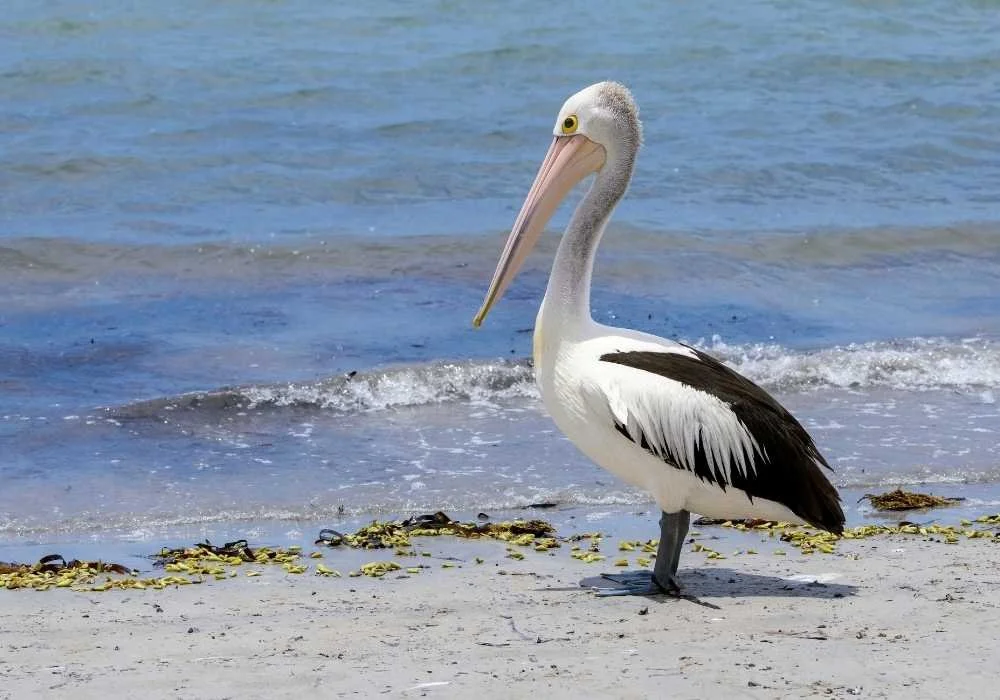
Birds are the most abundant and diverse animals associated with Lake Eyre, especially during flood years. Over 80 bird species have been recorded arriving when conditions trigger massive breeding events.
Rapid Flood Responders
International Travelers
Fish Boom Specialists
Fish Species in Lake Eyre
Fish appear only when floodwaters connect the lake to river systems. Several native species have been reliably recorded during these rare flood events.
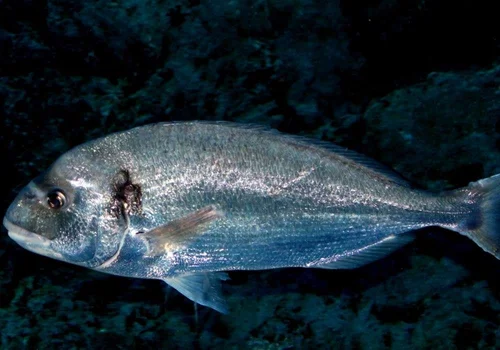
Bony Bream
(Nematalosa erebi) – The dominant species that appears in greatest numbers when floodwaters arrive.
Golden Perch
(Yellowbelly) – Highly prized sportfish that migrates into Lake Eyre during flood connections.
Spangled Perch
Remarkably resilient species known for surviving harsh desert conditions during flood events.
Desert Goby & Hyrtl's Catfish
Specialized species occasionally recorded in inflow areas during major flood cycles.
Fish breed rapidly while conditions allow. As water evaporates and salinity rises, mass fish deaths occur – providing crucial food source that triggers massive bird breeding events.
Amphibians: Frogs of the Floodplains
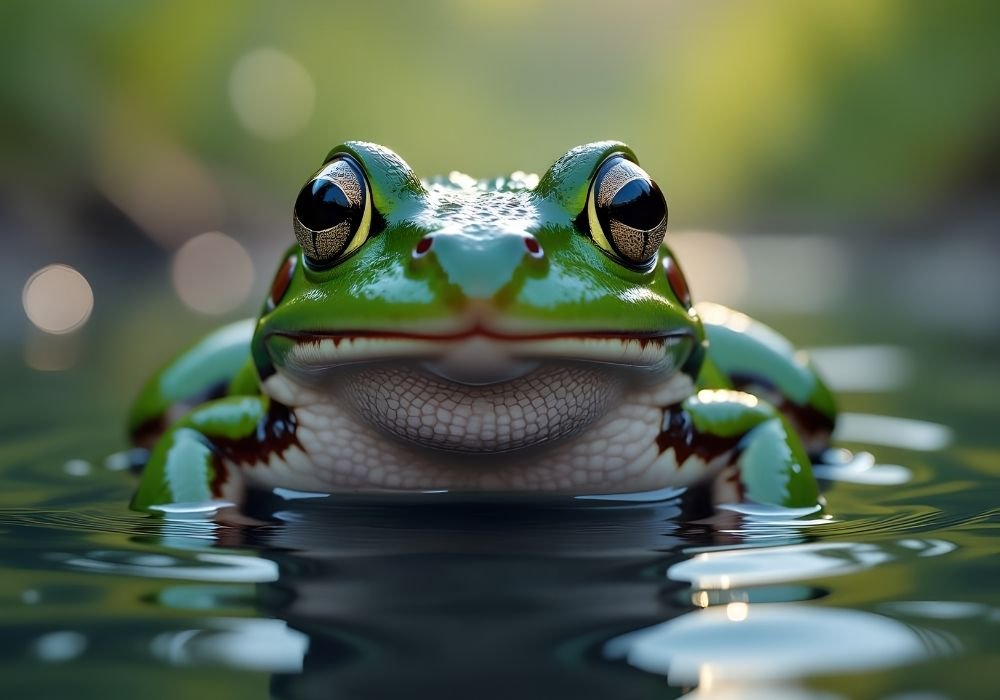
Frogs are critical but often overlooked animals around Lake Eyre. These remarkable survivors emerge only after rare rains to breed explosively in temporary pools.

Desert Tree Frog
Master of survival, capable of aestivating through years of drought in tree hollows or under bark.
Water-holding Frog
Stores water in its body and burrows deep underground, emerging only after significant rainfall.
Striped Burrowing Frog
Creates airtight underground cocoons to survive prolonged dry periods between flood events.
Main's Frog & Common Spadefoot Toad
Explosive breeders that transform temporary pools into choruses of life during flood seasons.
These species survive drought by burrowing underground, forming protective cocoons, and emerging only after rain to breed explosively in temporary floodplain pools created by floodwaters.
Reptiles: Masters of Heat
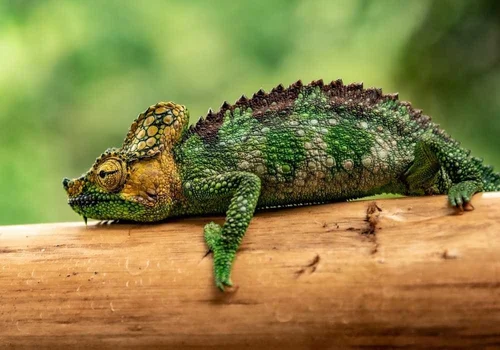
Reptiles thrive around the lake's margins and surrounding dune systems. These heat-adapted survivors dominate the arid landscape year-round, not just during floods.
Lake Margin & Dunes
Venomous & Constrictors
Flood-Connected Waterways
Mammals Around Lake Eyre
Mammals tend to occupy areas around the lake rather than the salt pan itself. These resilient species thrive in the surrounding arid habitats and respond dramatically to flood events.
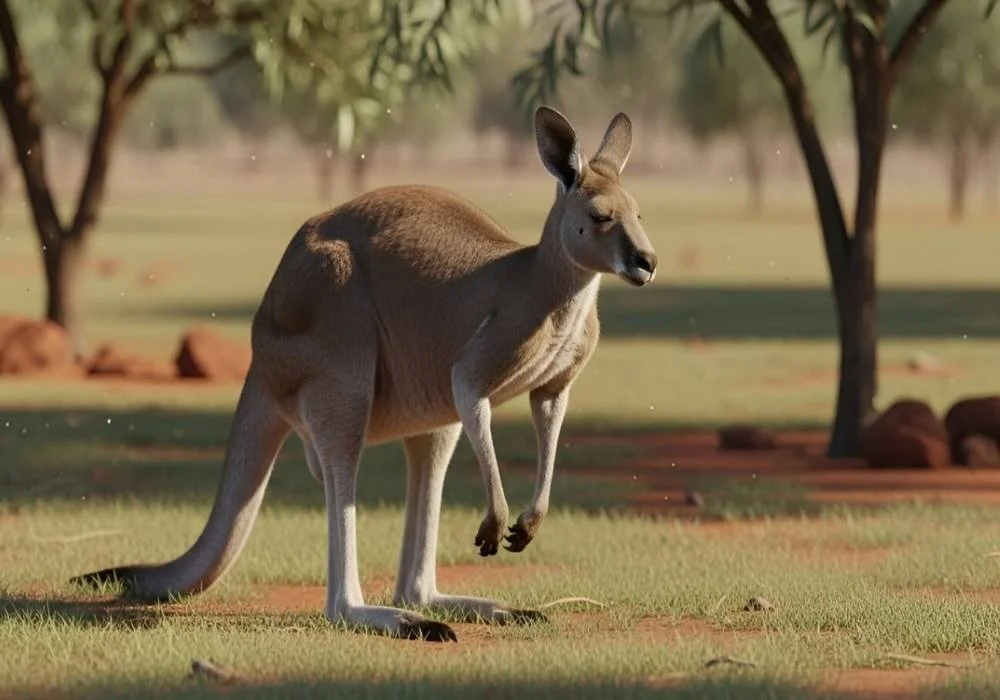
Iconic Outback Species
Population Booms
These mammals rarely venture onto the salt pan itself but thrive in the surrounding dunes, gibber plains, and watercourses that frame Lake Eyre's dramatic ecosystem.
Invertebrates: The Hidden Majority
Invertebrates form the foundation of Lake Eyre's food web. These microscopic and small creatures explode in numbers during floods, supporting everything above them.
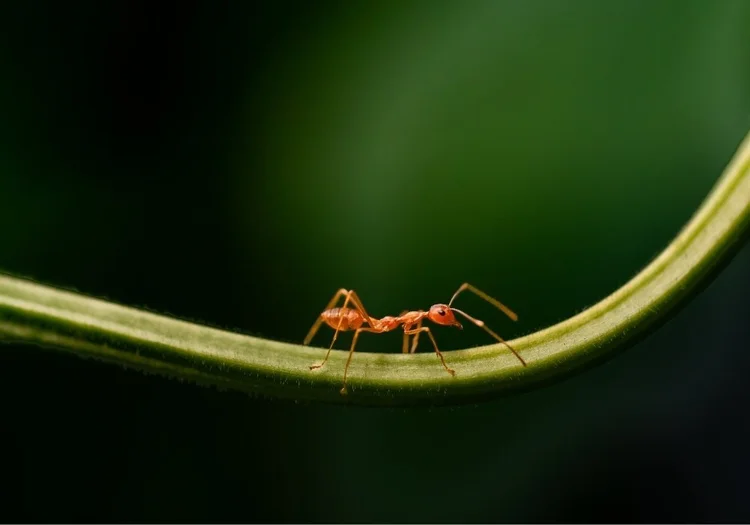
Salt Lake Bloomers
Land Surge
Aquatic species hatch from dormant eggs surviving decades in dry salt. Post-flood explosions create the base of the entire food web that supports fish, birds, and all higher life forms.
Micro-Organisms & Algae
Though invisible to the naked eye, these organisms form the base of all life at Lake Eyre. They trigger the food-chain explosions that support every creature during flood events.
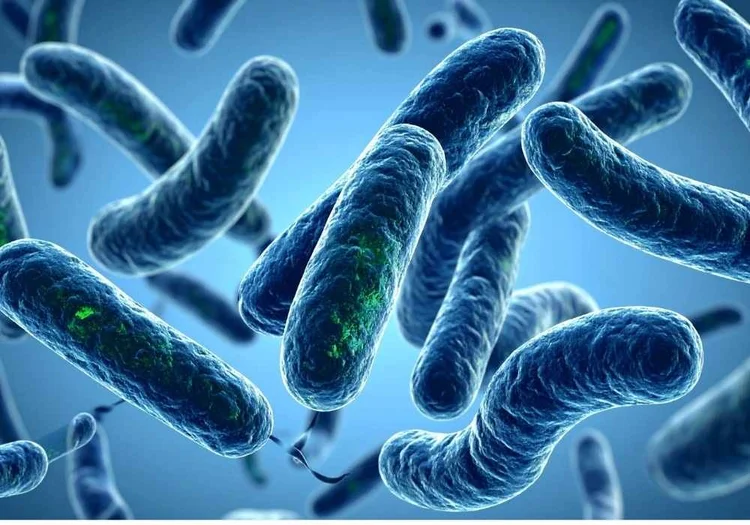
Dunaliella salina
Salt-loving green algae that produces red pigments (carotenoids) when stressed, turning Lake Eyre's floodwaters dramatic shades of pink and red.
Cyanobacteria (Nodularia)
Blue-green bacteria that form vast blooms and fix atmospheric nitrogen, creating nutrient-rich waters that fuel the entire aquatic food chain.
Phytoplankton Species
Diverse microscopic plants that explode in numbers post-flood, providing the primary energy source for brine shrimp, copepods, and the entire ecosystem.
Without these microscopic organisms, nothing survives.
Introduced & Feral Animals
Some non-native species are present around pastoral lands bordering Lake Eyre. These introduced animals pose significant conservation challenges, particularly for vulnerable native mammals.
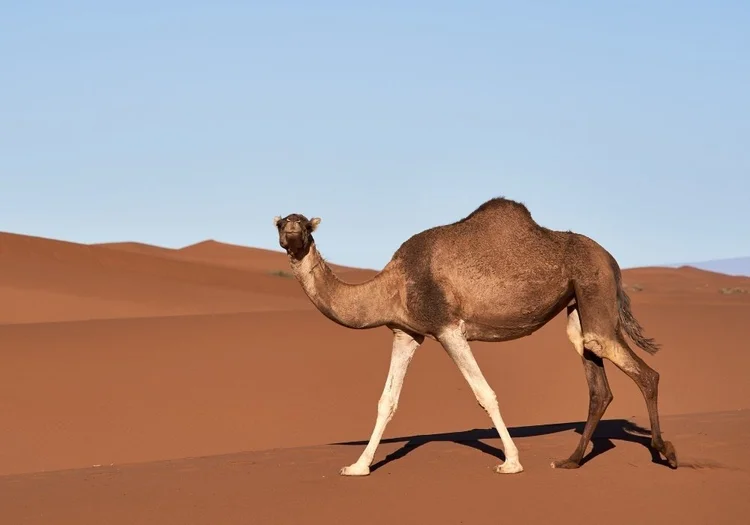
Feral Camels
Descendants of 19th-century imports, now numbering in the millions across central Australia. They compete with native herbivores for scarce vegetation and water.
Feral Cats
Australia's most devastating introduced predator, taking billions of native small mammals, birds, and reptiles annually. Devastating impact on small native fauna.
European Fox
Introduced for sport hunting, now widespread. Works in packs to hunt native mammals and ground-nesting birds around Lake Eyre's fringes.
House Mouse
Population explodes after rain events, competing with and preying on native small mammals like the Fat-tailed Dunnart and Kultarr during boom periods.
These introduced species pose the greatest threat to Lake Eyre Basin's small native mammals. Feral cats and foxes have driven multiple species to local extinction, while camels alter vegetation structure and water availability.
How Animals Survive Lake Eyre's Extremes
Lake Eyre's wildlife has evolved extraordinary survival strategies for this unpredictable environment.
Dormant Eggs & Spores
Brine shrimp, fairy shrimp, and algae survive decades as tiny eggs in dry salt crust, hatching within hours when floodwaters arrive.
Long-Distance Migration
Birds travel thousands of kilometers across Australia when flood news spreads, arriving within days to exploit the brief productivity window.
Burrowing & Aestivation
Frogs form waterproof cocoons underground, lizards retreat to cool burrows, emerging only when conditions become survivable.
Rapid Breeding Cycles
Banded Stilts lay eggs within days of flooding, fish spawn immediately, insects hatch and reproduce in weeks - maximum speed reproduction.
Salt Tolerance
Dunaliella algae thrives in hypersaline water, brine shrimp eat salt crystals, specialised cells pump out excess salinity.
Lake Eyre: Masterclass in Evolutionary Efficiency
Every species perfectly adapted to exploit brief flood windows and survive long dry periods.
Conservation & Protection
Lake Eyre's unique ecosystem receives multiple layers of protection during its vulnerable flood periods.
Kati Thanda–Lake Eyre National Park
Core conservation zone protecting the lake and immediate surrounds from development and unregulated access.
Directory of Important Wetlands
Internationally recognised for supporting massive bird breeding events and unique hypersaline aquatic life.
Arabana Country
Traditional lands of Arabana people with cultural significance and co-management arrangements.
Strict Regulation During Floods
Human access tightly controlled during wildlife breeding events to protect the brief but critical flood-driven productivity peaks.
Best Time to See Animals
Timing your visit to coincide with Lake Eyre's unpredictable flood cycles maximises wildlife viewing.
Flood Years = Peak Season
Only significant flood years trigger the full wildlife spectacle. Monitor Queensland river levels and satellite imagery for flood predictions.
Birds Arrive Fast
Pelicans, stilts, and waders appear within 2-4 weeks of major inflows. Peak breeding occurs 1-3 months after flooding begins.
Aerial Advantage
Scenic flights reveal bird colonies and lake colour changes invisible from ground level. Best overall perspective of the wildlife phenomenon.
Ground Access Variable
4x4 track conditions change rapidly. William Creek offers most reliable scenic flight and ground tour access year-round.
No Two Years Are The Same
That's the magic of Lake Eyre - every flood event creates a unique wildlife spectacle shaped by rainfall timing, volume, and seasonal conditions.
A Living Desert Miracle
Lake Eyre is not empty. It is waiting. When floodwaters finally arrive after years of dormancy, life responds with astonishing speed and scale.
Every species perfectly adapted. Every moment perfectly timed. Every explosion of life perfectly balanced against inevitable retreat.