Fish in Lake Eyre: Surprising Life in Australia’s Salt Lake
When most people think of Lake Eyre, images of a vast, empty salt flat stretching to the horizon come to mind. For much of the year, Kati Thanda–Lake Eyre is a blinding white expanse of salt, a place so inhospitable it feels lifeless.
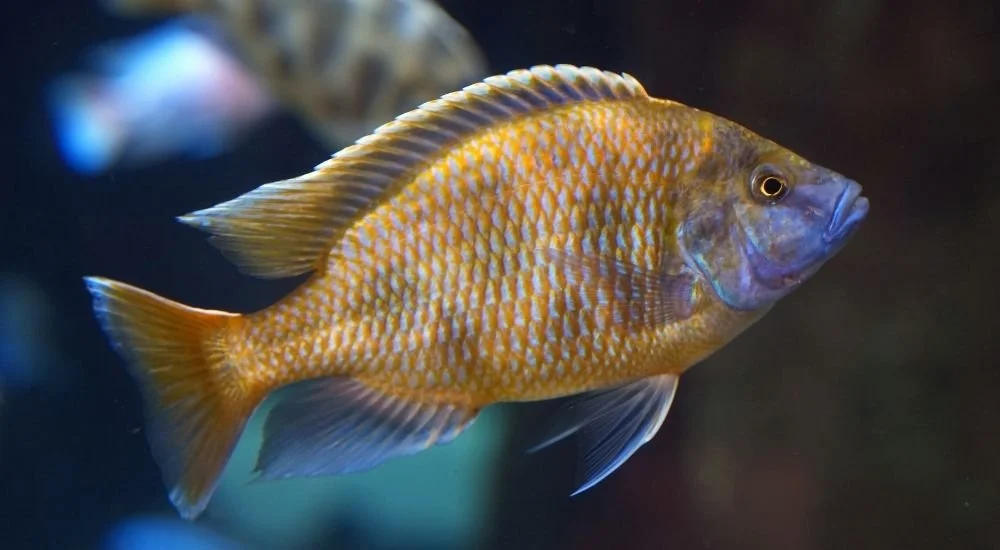
Yet, hidden beneath that salt crust, life waits for the rare magic of water. Among the most fascinating inhabitants of this ephemeral wonder are the fish that inhabit it, thriving against all odds. From tiny hardy desert species to larger freshwater migrants, the story of Lake Eyre’s fish is one of survival, resilience, and the remarkable power of nature.
For outback explorers, wildlife enthusiasts, and anyone curious about Australia’s inland waterways, understanding the fish of Lake Eyre is more than just a curiosity. It helps explain the incredible booms and busts of life that transform this desert into a vibrant ecosystem when the rains arrive. In this article, we’ll dive into the fish species, their survival strategies, the role of flooding, and practical tips for observing them responsibly.
Understanding Lake Eyre’s Unique Environment
Lake Eyre is Australia’s largest salt lake, lying 15 meters below sea level at its lowest point. Spanning up to 9,500 square kilometres when full, it’s part of an enormous endorheic basin covering almost 15 percent of the continent. For most of the time, the lake is a dry, cracked salt pan, with salt layers reaching up to half a metre thick in some areas.
This extreme environment poses obvious challenges for aquatic life. Annual rainfall in the region is minimal, usually between 100 and 150 millimetres, yet evaporation rates are enormous, often exceeding 3,000 millimetres per year. Rivers such as the Warburton, Cooper, and Georgina feed into the basin, carrying monsoonal floods from Queensland, the Northern Territory, and South Australia. But these events are rare, full inundations occurring only a handful of times in the last 160 years.
Despite these harsh conditions, the lake’s floods are life-changing. They temporarily transform the arid landscape into a network of freshwater channels, shallow lakes, and wetlands, creating ideal conditions for fish to thrive. This boom-bust cycle is central to the lake’s ecology, dictating the lives of its fish, birds, and other wildlife. Understanding this cycle is key for anyone wondering how fish can survive in such a seemingly inhospitable place.
Fish Species Found in Lake Eyre
One of the first surprises for visitors is that fish do, in fact, inhabit Lake Eyre, though mostly during the flood events. These species have evolved to survive in extreme conditions, often traveling vast distances or hibernating in mud until water returns. Learn more about fishes and other animals in Lake Eyre.
Bony Bream
Bony Bream, or Nematalosa erebi, is arguably the most iconic fish of the Lake Eyre basin. This species is incredibly resilient, able to tolerate the fluctuating salinity levels and warm temperatures common in ephemeral Australian lakes. Bony Bream migrate from upstream rivers when floods arrive, often moving hundreds of kilometres in search of newly inundated habitats. Their rapid breeding cycle ensures that the population booms in the short window of available water.
| Species | Size | Diet | Behaviour |
|---|---|---|---|
| Bony Bream | Up to 30cm | Algae, detritus, small invertebrates | Migratory, flood-dependent, prolific breeders |
Golden Perch
Another remarkable inhabitant is the Golden Perch, or Macquaria ambigua. Known for its ability to thrive in diverse freshwater conditions, the Golden Perch is a prized species for both ecologists and anglers. They exploit flood events to feed and reproduce, often following the Bony Bream into newly formed wetlands. Their presence plays a crucial role in maintaining the food web, supporting birds, reptiles, and other predators during peak flood periods.
| Species | Size | Diet | Behaviour |
|---|---|---|---|
| Golden Perch | Up to 80cm | Smaller fish, crustaceans | Migratory, spawns in flooded rivers, supports predator species |
Murray Cod and Other Rare Migrants
Occasionally, species such as Murray Cod (Maccullochella peelii) appear in Lake Eyre, typically in upstream tributaries during significant floods. While not permanent residents, these large freshwater fish demonstrate the lake’s connectivity to the wider Murray-Darling basin and other outback waterways.
Other desert-adapted species, including hardy small schooling fish, also exploit the short-lived habitats created by the floods. These fish are often overlooked, but they are crucial in supporting the boom of pelicans, banded stilts, and other birds that flock to Lake Eyre during inundation.
How Fish Survive in Extreme Conditions
One of the most common questions visitors ask is how fish manage to survive in a lake that is dry most of the time and becomes hypersaline when water remains for extended periods. The answer lies in several remarkable adaptations.
Burrowing and Estivation
Many small fish species, particularly Bony Bream, are capable of burrowing into the lakebed or shallow mud as the water recedes. This estivation allows them to survive until the next flood arrives, sometimes waiting months or even years.
Rapid Breeding Cycles
The fish of Lake Eyre have evolved rapid reproductive strategies to take full advantage of short-lived floodwaters. Within weeks of a flood, they can reach sexual maturity, spawn, and grow enough to sustain the next generation. This ensures their survival despite the unpredictable nature of water availability.
Salinity Tolerance
Some species can survive in hypersaline conditions for limited periods. Their physiological adaptations allow them to regulate internal salt concentrations and maintain critical metabolic functions even when the surrounding water becomes highly saline.
These survival strategies not only fascinate ecologists but also create a sense of wonder for visitors. Observing a thriving fish population in a place that appears lifeless most of the time is a striking reminder of nature’s resilience and adaptability.
Impact of Floods on Fish Populations
Flood events are the lifeblood of Lake Eyre’s fish populations. When rain falls hundreds of kilometres away in Queensland or the Northern Territory, it sets off a chain reaction. Rivers swell, channels fill, and water eventually makes its way into the Lake Eyre basin, triggering an explosion of life.
During these periods, fish populations multiply, attracting thousands of birds and other predators. Pelicans, for instance, can consume significant numbers of fish in a matter of days, demonstrating the interconnectedness of the ecosystem.
Yet these booms are ephemeral. As evaporation takes its toll, salinity rises, water levels drop, and the fish face either relocation via surviving channels or mortality. Understanding this cycle helps visitors set realistic expectations: the Lake Eyre experience is fleeting and highly dependent on timing.
Observing and Studying Lake Eyre Fish
For anyone planning to observe or study Lake Eyre’s fish, timing is everything. The best chance to witness thriving fish populations is immediately following flood events, when shallow waters are fresh and abundant.
Wildlife enthusiasts and photographers should focus on these periods, as the lake transforms into a dynamic, living environment. Ethical observation is crucial. Approaching waterholes quietly, avoiding disturbing the fish, and respecting breeding areas ensures that visitors do not harm the delicate ecosystem.
Practical tips for observing Lake Eyre fish include:
Travel in groups for safety; the outback is remote.
Carry ample water, sun protection, and 4WD recovery gear.
Use binoculars or underwater cameras for safe observation without disturbing the fish.
Recreational and Conservation Considerations
While curiosity about fishing is natural, Lake Eyre’s fish populations are not for recreational fishing. The lake’s ecology is fragile, and human interference can have long-term impacts on both fish and bird populations.
Conservation efforts aim to preserve the natural boom-bust cycles of the lake. Tours, wildlife observation, and scientific study are encouraged, but they must respect the delicate balance of this ephemeral environment.
Tourists should consider guided tours for safe and responsible observation. These trips provide insight into the ecological importance of Lake Eyre, ensuring visitors leave with both knowledge and appreciation.
Conclusion
The fish of Lake Eyre are a testament to the resilience of life in extreme environments. From tiny Bony Bream to occasional Murray Cod, these species thrive against incredible odds, forming the foundation of one of the most fascinating ephemeral ecosystems in the world. For visitors, witnessing this cycle of life provides awe-inspiring insight into the balance of nature and the interconnectedness of outback rivers, floods, and wildlife.
Understanding these fish, their survival strategies, and their reliance on floodwaters not only satisfies curiosity but also underscores the importance of responsible observation and conservation. Next time you explore Kati Thanda–Lake Eyre, remember that beneath the dry salt crust, a remarkable story of life waits to unfold with the next flood.
Frequently Asked Questions
-
Yes, but only during and immediately after flood events. Most fish migrate from upstream rivers or hatch rapidly when conditions are suitable.
-
The ideal time is right after significant rainfall or river floods, usually between May and October. Observing thriving fish populations outside these periods is unlikely.
-
Fishing is generally not permitted due to conservation rules. The lake’s ecosystem is extremely fragile, and human interference could disrupt the survival of both fish and birds.
-
Lake Eyre fish have evolved remarkable adaptations, including burrowing in mud, rapid breeding cycles, and tolerance to salinity changes. These strategies ensure survival in one of Australia’s harshest environments.