Oodnadatta Track Conditions: The Real Guide for Aussie 4WD Travellers
There’s something irresistible about the Oodnadatta Track. It’s one of Australia’s most iconic outback routes, a dusty ribbon of red dirt and clay that threads through history, desert plains, abandoned telegraph stations and rare, surprising oases. If you’re thinking about tackling it in your own 4WD, you’re in for a unique experience — but you’re also walking straight into one of the most unpredictable and unforgiving road systems in the country.
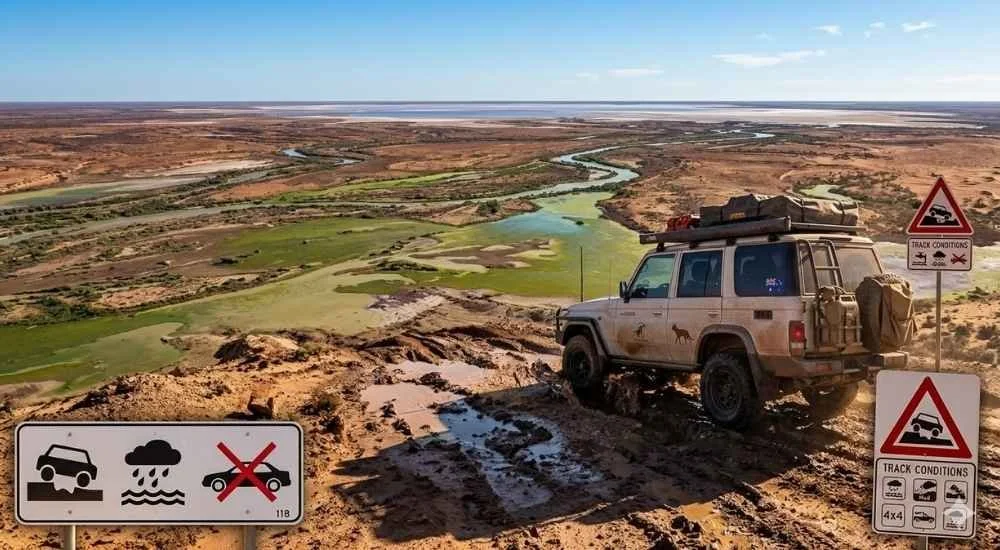
This article is your go‑to guide to Oodnadatta Track conditions. It goes beyond the usual tourism spiel, understands the questions that keep travellers up at night, and gives you the practical, detailed information you need before you head out. Whether you’re preparing for your first adventure or you’ve done the track before and want updated insights, this is for you.
Because here’s the truth: the Track isn’t just a road. It’s a living, shifting thing — shaped by weather, season, drainage, rain events in Queensland, and the kind of conditions only outback locals talk about.
Let’s dive in.
What Is the Oodnadatta Track, Really?
Stretching about 620 kilometres from Marree to Marla in South Australia, the Oodnadatta Track is an unsealed outback route that passes through some of the most sparsely populated country on the continent. It hugs the path of the old Ghan railway and the original Overland Telegraph Line, and crosses landscapes that have been Aboriginal Country for tens of thousands of years.
Most visitors tackle it in a 4WD, because parts of the route become tricky or impassable after rain, and surface conditions vary dramatically. You’ll find a mix of firm dirt, claypans, corrugations, bulldust, sand patches, and shallow creek crossings. It’s neither sealed nor maintained like a highway. It’s a real outback experience.
The Track’s appeal comes from its raw remoteness, historical sites, and the sense of self‑sufficiency it demands. But that same remoteness can make conditions feel intimidating, especially when road reports change fast or there’s rain in the forecast.
Why Track Conditions Matter
Let’s be honest. You can read every blog post about the Oodnadatta Track and still be unprepared for how conditions change on the ground.
A few key truths travellers worry about are:
What if it rains? The clay turns to slippery mud
What if I break down? Very limited phone coverage
How much water and fuel should I carry?
When is the Track safe to travel?
What is open or closed right now?
These aren’t small questions. They are trip‑making or trip‑breaking concerns. So before you book flights, pack your swag, or fire up the 4WD, it’s worth understanding the landscape and what conditions really mean out here.
Seasonal Nature of the Track
Oodnadatta Track isn’t a static experience. It’s a seasonally shifting one.
Wet Season vs Dry Season
The track crosses some classic outback terrain — clay soils, gibber plains, and shallow creek runs. When it rains, especially in northern Queensland or the Channel Country, that water makes its way south. A modest fall of rain hundreds of kilometres away can turn sections of the Track into a greasy, sticky mess that resists tyre grip and can utterly bog a vehicle.
Conversely, during the dry season, conditions are easier for travel but still challenging in their own right. Dust hangs in the air, corrugations jar your bones and your vehicle, and creek crossings that were wet months ago become sandy tracks.
For most travellers, the best time to tackle the Oodnadatta Track is between May and October. That’s when rain is least likely, temperatures are more bearable, and services are more reliably open.
Even then, weather patterns are unpredictable. An early cyclone in the north, a patch of inland showers, or a late storm can change everything.
What “Track Conditions” Really Means
When people talk about track conditions, they’re not just talking about whether the road is passable. They’re talking about a whole suite of things:
Surface firmness or slipperiness
Depth of soft sand or clay
Presence of washouts or potholes
Recent rain or flooding
Bulldust patches
Corrugation severity
Shallow water crossings
Gradient or rut depth
All of these factors determine whether a 4WD with basic tyres can make it through safely or whether you’re looking at needing serious recovery gear, tyre deflators, high clearance, and experience.
A sealed road has two states: open or closed. The Oodnadatta Track has a spectrum of conditions — and knowing where along that spectrum it sits on your travel day can be the difference between a brilliant adventure and a stressful situation.
Real‑Time Conditions — The Best Source
One of the biggest risk factors for travellers is relying on outdated reports. Friends who travelled the Track three months ago might have had benign conditions, but after a rainfall event those same sections could be bogging hazards.
That’s why it’s critical to check live, official road condition updates before you go.
The Government of South Australia maintains an official road condition portal that covers outback roads including the Oodnadatta Track. You can find up‑to‑date closures, warnings, and access notes here:
Bookmark this link and check it before departure, and again just before you hit the Track.
This is not a set‑and‑forget step. Conditions can change quickly, especially after rain. A thorough check of the live status will:
Alert you to closures or restricted access
Let you know where roads are drying out
Help you choose a starting point (Marree vs William Creek)
Allow you to cancel or reschedule if conditions are unsafe
Breaking the Track Down — What You’ll Encounter
The Oodnadatta Track can be divided into a few sections — each with its own character and common condition issues.
Marree to Coward Springs
This section begins with hard dirt and clay surfaces, but after rain the clay turns slick. Corrugations can be deep in places, especially near the old telegraph stations. Fuel stations are scarce, so start with a full tank.
Coward Springs to William Creek
Once you leave Coward Springs, which offers a rare oasis and hot springs, the road surface can become sandy and soft, with bulldust patches and exposed rocks. Washouts from recent rain can leave uneven surfaces, and there may be shallow water crossings after big downpours.
William Creek to Oodnadatta
This is the longest and most remote section. Out here, track conditions vary widely. There are long stretches of firm dirt, but also soft sand and sections where corrugation is intense. Mobile signal here is patchy or absent, so downloads of offline maps and recent condition reports are essential.
How Rain Changes Everything
Even a single storm in Queensland can send water southward. That water spreads across floodplains, fills claypans, and seeps into low sections of the track. What was firm and dusty in the morning can become flooded and impassable by afternoon.
Clay is the big enemy. It’s the material that most easily turns a travelable surface into a greasy trap. If you’re out there with a heavy vehicle, spinning tyres, and no recovery gear, a clay bog can be dangerous.
For that reason, locals and experienced travellers often say:
“Never underestimate a clay puddle.”
Preparation: Reduce Anxiety, Increase Confidence
Let’s talk about preparation. It’s not just about gear; it’s about peace of mind. The psychological difference between heading out prepared and heading out hoping for the best is enormous.
Here’s what you should do:
Get the right vehicle. A 4WD with high clearance is non‑negotiable. A road car isn’t going to cut it on significant Oodnadatta Track conditions.
Communicate. Satellite phones or EPIRBs are not luxuries out here. They are essentials. Mobile reception isn’t reliable.
Fuel wisely. The distance between fuel stops is long. Fill up in Marree, and again in William Creek. Don’t trust charts — fuel up whenever it’s safe.
Carry water. You can plan to camp in glorious spots, but this isn’t a place to discover you’re low on water. At least 20 litres per person per day is standard practice.
Know recovery gear. Snatch straps, a shovel, tyre pressure gauges, and traction boards should be part of your kit.
If you arrive feeling prepared rather than anxious, you’ll enjoy the experience more and make safer choices.
What You Can Expect in Different Conditions
Dry Season
When the track is dry, it can be dusty, corrugated, and slow going. Dust can reduce visibility if you’re travelling in a group. Corrugations make you feel every bit of worn suspension and tenuous steering.
But the road is generally open, and most 4WD vehicles with good tyres and a sensible pace can make it through.
After Rain
This is where things get interesting. Tracks that were dusty become slippery. Clay sections turn soft and heavy. Some low areas become shallow ponds that hide deep mud underneath.
Here’s the trick:
If you see green countryside, assume the track could be wet ahead. Even if the rain didn’t fall directly on the Track, upstream storms can deliver run‑off that changes the surface dramatically.
Slow down. Lower tyre pressure slightly for better grip in soft conditions. Travel in convoy if you can. And always, always check the road report link before you go.
Stories from the Track
Travel blogs are full of two kinds of stories:
The smooth, perfect journey where the Track was clear and the weather was calm.
The bogging, tyre‑changing, midday‑under‑a‑tree‑with‑sweat running down the back of the neck stories.
Both are valid. The ones that stick with you are usually the second kind, because that’s where you learn your limits and the landscapes show you who’s boss.
One traveller I met near William Creek looked at me and said:
“You don’t conquer the Oodnadatta Track. You just try not to offend it too badly.”
There’s wisdom in that.
Final Words
There’s a psychological tension that comes with outback travel. You want freedom and wide open spaces, but part of you worries about getting stuck, running out of water, or finding closed gates and slushy clay.
That tension, though, is part of what makes the Oodnadatta Track such a unique experience. When you arrive with preparation, respect the conditions, and understand the seasonal moods of this incredible route, the reward is something most travellers describe as life‑affirming.
You’re not just driving a dirt track. You’re entering a landscape that shapes itself according to weather, patience, and respect.
So check the conditions, pack well, leave your ego behind, and enjoy one of Australia’s great outback journeys.
Frequently Asked Questions
-
No. Track conditions can deteriorate rapidly and 2WD vehicles aren’t equipped for soft sand, clay, or corrugations. A well‑prepared 4WD is essential.
-
Not always. Heavy rains and flooding can close parts or all of the track, especially during summer months. Always check the official road conditions before you start.
-
Yes, but they are limited. The main places are Marree and William Creek. Fuel supplies can sell out after big tourist periods, so plan conservatively.
-
If you’re not stopping much, two days is possible. But most travellers take three to five days to enjoy side trips, historical sites, springs, and various outpost stops.