Mistakes to Avoid When Visiting Lake Eyre
Visiting Lake Eyre sounds simple on paper. Pick a date, drive out, take a few photos, and tick off one of Australia’s most iconic destinations.
But once you start planning properly, you realise it’s not that straightforward. This isn’t a coastal road trip or a quick national park visit. Lake Eyre sits deep in the outback, and the conditions out here don’t follow convenience.
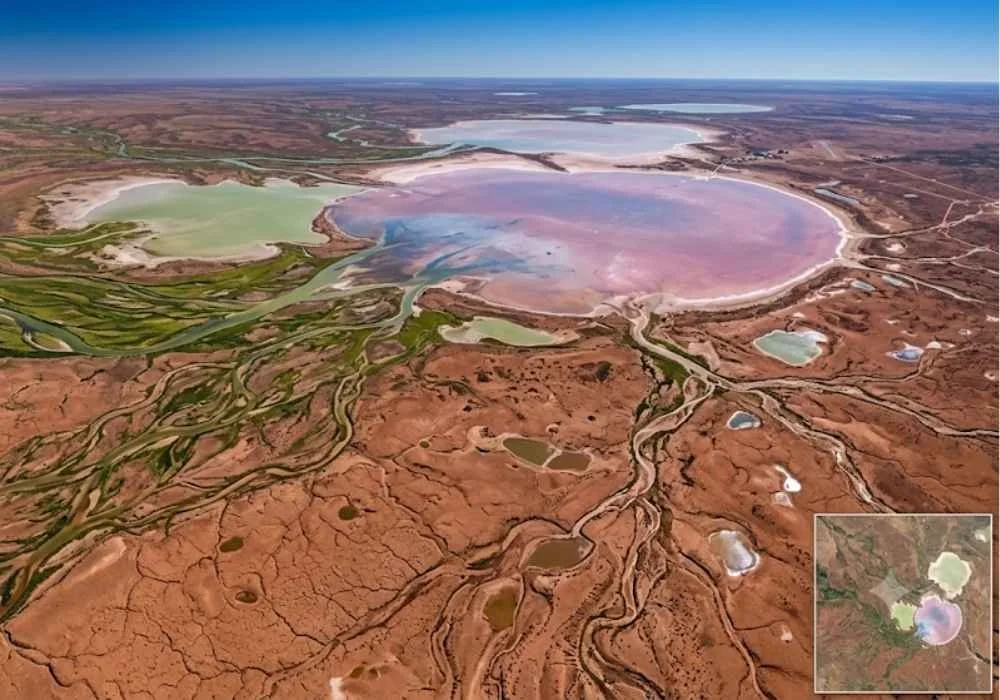
Most people who have a bad experience didn’t have bad luck. They made avoidable mistakes. They underestimated the distance, misread the conditions, or expected something completely different from what they found.
The good news is that these mistakes are easy to avoid once you know what to look for. This guide walks you through the most common ones so you can get the trip right the first time.
Not Checking Current Conditions Before You Go
This is easily the biggest mistake people make.
They plan their trip weeks or even months in advance, assume everything will be fine, and then head out without checking the latest updates. By the time they realise something’s off, they’re already committed.
Lake Eyre conditions change constantly. Roads can close after rain, access tracks can become unsafe, and the lake itself may not look anything like what you expected.
You might be imagining reflective water stretching to the horizon, but arrive to find a dry salt pan. Or worse, roads closed and no access at all.
Before you leave, always check official road reports and park updates. Treat this as part of your trip planning, not an optional extra.
Underestimating the Distance and Isolation
On a map, it doesn’t always look that far. In reality, it’s a long, remote journey through some of the most isolated parts of Australia.
Once you leave towns like Marree or William Creek, services become limited. Fuel stops are few, and help is not just around the corner.
A common mistake is treating the trip like a standard road drive. People underestimate how long it takes, don’t allow for delays, and push themselves to stick to unrealistic timelines.
The outback doesn’t reward rushing. It rewards patience and planning.
Give yourself extra time. Plan your fuel stops carefully. And most importantly, understand that once you’re out there, you’re largely responsible for yourself.
Taking the Wrong Vehicle
This is where overconfidence often shows up.
You’ll hear stories of people driving out in a 2WD and making it just fine. What those stories usually leave out is that conditions were perfect at the time.
Lake Eyre access roads and surrounding tracks are unsealed and can change quickly. Corrugations, soft sand, and uneven surfaces are common. After rain, things get much more unpredictable.
A 4WD gives you flexibility and control when conditions shift. It’s not just about capability, it’s about reducing risk.
Caravans can also be an issue, especially on rough or narrow sections. Many travellers choose to leave them at a base like William Creek and continue with a lighter setup.
If you’re unsure about your vehicle, don’t take the risk. The cost of getting it wrong out here is much higher than changing your plan.
Not Carrying Enough Water and Supplies
People often pack for the trip they expect, not the one they might face.
Lake Eyre is remote. If something goes wrong, you won’t have quick access to supplies. Running low on water or food is not just uncomfortable, it’s dangerous.
A good rule is to carry at least 20 litres of water per person per day. That might sound excessive, but it’s what gives you a safety buffer.
The same goes for fuel. Always allow for extra distance and unexpected delays.
Bringing enough supplies isn’t about overpacking. It’s about giving yourself peace of mind so you can enjoy the trip without constantly worrying about what might go wrong.
Expecting a Full Lake Without Checking
Lake Eyre is famous for its rare flooding events, but here’s the reality most people don’t realise. It’s dry most of the time.
A lot of visitors head out expecting to see a vast inland sea, only to arrive at a white salt pan.
That doesn’t mean the experience is disappointing. In fact, many people are surprised by how striking the dry lake is. The patterns, the scale, and the silence create something completely different but just as memorable.
The mistake isn’t visiting when it’s dry. The mistake is not knowing what to expect.
If seeing water is important to you, plan your trip around known flood periods. If not, go with an open mind and appreciate the landscape for what it is.
Ignoring Weather and Rainfall Beyond the Area
This one catches people off guard all the time.
You check the weather near Lake Eyre, see clear skies, and assume conditions will be fine. But rainfall hundreds of kilometres away can still affect access.
Water flows slowly through inland Australia, and floodplains take time to drain. That means roads can remain closed long after the rain has stopped.
Understanding this helps you avoid frustration and last-minute changes.
Instead of only checking local weather, look at broader regional conditions. It gives you a much clearer picture of what to expect.
Relying on Phone Signal and Basic Navigation
It’s easy to forget how dependent we’ve become on mobile coverage until it disappears.
Around Lake Eyre, phone signal is limited or completely unavailable. If you’re relying on online maps or basic navigation apps, you’re setting yourself up for problems.
Getting lost in the outback isn’t just inconvenient. It can quickly turn into a serious situation.
Always carry offline maps or a GPS system. A satellite phone or personal locator beacon adds another layer of safety, especially if you’re travelling alone.
These aren’t over-the-top precautions. They’re standard practice for remote travel.
Trying to Rush the Experience
Another common mistake is treating Lake Eyre as a quick stop rather than a destination.
People drive long distances, spend an hour or two at the lake, and then move on.
The problem is that this approach misses what makes the place special.
The real experience comes from slowing down. Watching the light change across the landscape. Sitting in the quiet without distractions. Spending a night under the stars.
If you rush it, you’ll leave feeling like you didn’t quite get it.
Give yourself time to take it in properly. It’s worth it.
Disrespecting the Environment and Cultural Significance
Lake Eyre, or Kati Thanda, is not just a landscape. It’s a place with deep cultural importance.
Driving off designated tracks, leaving rubbish behind, or ignoring park guidelines doesn’t just damage the environment. It shows a lack of respect for the land and its history.
The rules in place are there for a reason. They protect the fragile surface of the lake and preserve it for future visitors.
Respecting the area isn’t complicated. Stay on tracks, take your rubbish with you, and follow the guidelines provided.
Simple actions make a big difference.
Trying to Do Everything Without Proper Guidance
There’s a certain appeal to doing the trip entirely on your own. Planning every detail, driving yourself, and figuring it out along the way.
For experienced outback travellers, that works well.
But for many people, it leads to unnecessary stress.
You spend more time worrying about logistics, conditions, and safety than actually enjoying the experience.
Guided tours and scenic flights exist for a reason. They remove a lot of the uncertainty while still giving you access to the same incredible landscapes.
It’s not about taking the easy option. It’s about choosing the experience that suits your level of comfort and experience.
Quick Checklist Before You Go
If you want to keep things simple, avoid these key mistakes:
Check current road and weather conditions
Use a suitable vehicle for the terrain
Carry enough water, fuel, and supplies
Plan your route and travel time carefully
Respect the environment and local guidelines
Getting these right puts you in a strong position to enjoy the trip without unnecessary stress.
Conclusion
Lake Eyre is one of those places that rewards preparation. It’s not difficult to visit, but it does require a bit more thought than your average trip.
Avoiding a handful of common mistakes can completely change your experience. Instead of dealing with stress, delays, or disappointment, you get to enjoy what makes this place so unique.
Plan properly, stay flexible, and respect the conditions. Do that, and Lake Eyre will deliver an experience that stays with you long after you leave.
Frequently Asked Questions
-
Not checking current conditions before travelling. Roads and access can change quickly, and outdated information leads to poor decisions.
-
Yes, if you are well prepared and experienced with remote travel. If not, travelling with others or choosing a guided option is safer.
-
A 4WD is strongly recommended, especially for accessing areas like Halligan Bay. Conditions can vary, and having the right vehicle reduces risk.
-
Summer months can be extremely hot and challenging. Periods after heavy rain can also limit access due to road closures.