Sleep Under the Stars (and Underground!): the Outback's Most Iconic Stays
The Australian Outback is a land of vast horizons, ancient landscapes, and unparalleled adventure. But a true Outback journey is defined not just by the sights you see, but by the unique places you rest your head. From luxury glamping in a natural amphitheater to sleeping in an underground hotel, the accommodations along the legendary Lake Eyre and Birdsville tracks are destinations in themselves.
Here is your marketable guide to the most iconic stays and unmissable highlights of the South Australian and Queensland Outback.
Wilpena Pound: Glamping in an Ancient Amphitheatre
The journey begins in the majestic Ikara-Flinders Ranges National Park, home to the spectacular natural basin of Wilpena Pound.
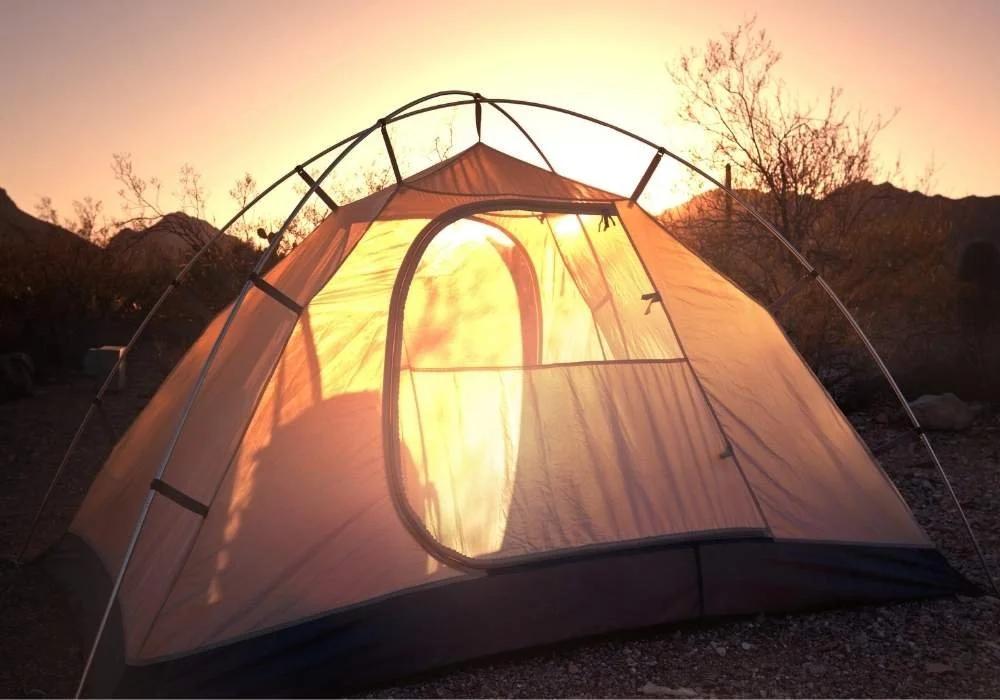
The Stay: Ikara Safari Camp offers a luxurious "glamping" experience, the only accommodation located within the National Park. Imagine falling asleep in a spacious safari tent, complete with a king bed, private ensuite, and power, all while surrounded by the dramatic, ancient rock formations of the Pound. It is the perfect blend of wilderness immersion and modern comfort.
The Highlight: The sheer scale of Wilpena Pound, a 100-kilometre-long natural amphitheater. Must-do activities include Aboriginal cultural walks led by the traditional owners, the Adnyamathanha people, and a scenic flight over the Pound for a truly unforgettable perspective.
Prairie Hotel, Parachilna: The Culinary Legend
A short drive north of the Flinders Ranges, the Prairie Hotel is a legendary stop that has elevated Outback dining to an art form.
The Stay: The hotel offers elegant country-style accommodation and warm, genuine hospitality, making it a comfortable oasis in the remote landscape of Parachilna.
The Highlight: The world-famous Feral Mixed Grill (FMG). This iconic dish is a rite of passage for any Outback traveller, featuring a gourmet selection of native meats such as emu, kangaroo, and camel. Paired with a house-brewed beer, the dining experience here is a bold and memorable celebration of Australian native cuisine.
Marree & William Creek: Gateways to the Oodnadatta Track
These two historic towns serve as essential staging posts and vibrant hubs for Lake Eyre tours, connected by the legendary Oodnadatta Track.
Marree Hotel: A historic pub with heritage charm, it is the true Gateway to Lake Eyre and the starting point of the Oodnadatta Track. Enjoy hearty meals and soak up the pioneering history.
William Creek Hotel - Australia's smallest town, this quirky pub offers hotel rooms, glamping, and the modern Pelican Suites. It is a key hub for Lake Eyre scenic flights, offering the best aerial views of Kati Thanda-Lake Eyre.
Coober Pedy: The Underground World
Coober Pedy is the opal capital of the world, and its unique mining history has led to one of the most fascinating accommodation experiences on the planet.
The Stay: The Desert Cave Hotel is the world's only underground international hotel. Guests can choose to sleep in a quiet, dark, and naturally cool underground room—a truly unique "dug-out style living" experience.
The Highlight: The entire town is a highlight. Explore the underground churches, browse the opal shops, and visit the Umoona Opal Mine & Museum to learn about the history of opal mining and the unique lifestyle of the locals who live beneath the surface.
Birdsville & Innamincka: The Far Reaches
These remote towns are symbols of the rugged Australian spirit, offering a welcome respite at the end of a long journey.
The Birdsville Hotel is an iconic, historic pub that has stood as a beacon of hospitality for over 130 years. It offers comfortable, modern accommodation and a lively atmosphere. The highlight is simply being there—sharing a cold drink with fellow travellers at the bar of this legendary establishment, a true testament to the enduring spirit of the Outback.
The Innamincka Hotel provides a surprising oasis with premium motel rooms and contemporary dining. Its highlight is its proximity to the historic Burke and Wills Dig Tree and the tranquil Cooper Creek, allowing you to connect with the dramatic and often tragic history of Australian exploration.
Plan Your Ultimate Outback Journey
From the luxury of glamping to the novelty of sleeping underground, the Outback offers a range of accommodations that are as unique as the landscape itself. Each stop on this journey provides a distinct flavour of Australian life, history, and natural wonder. Book your tour today and prepare for an adventure where the journey is just as rewarding as the destination.