Birdsville Track Conditions: What to Expect Before You Drive
The Birdsville Track is one of those iconic Australian drives that sits high on every outback traveller’s list. Stretching between Marree in South Australia and Birdsville in Queensland, it’s a route packed with history, wide-open landscapes, and that unmistakable feeling of being far away from everything.
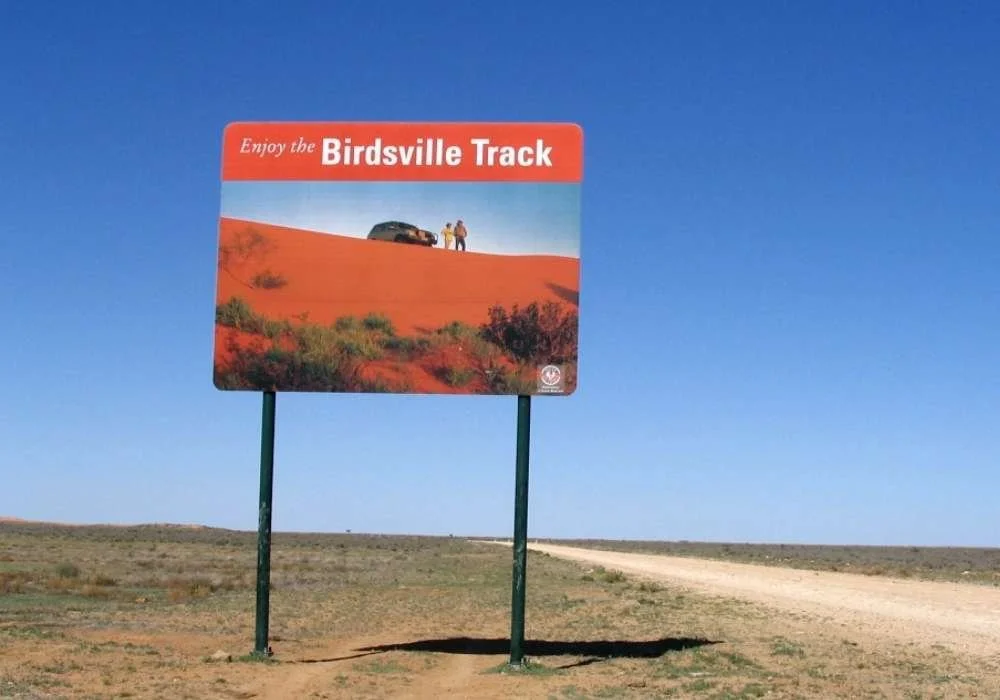
But here’s the part many people underestimate. The Birdsville Track isn’t just a scenic drive. Conditions can change quickly, and what feels like a straightforward trip one week can become risky the next.
If you’re planning to drive it, you’re probably asking the right questions already. Is it open? Do I need a 4WD? What happens if it rains?
This guide cuts through the guesswork and gives you a clear, realistic picture of what to expect before you hit the track.
Checking Current Birdsville Track Conditions
Before anything else, you need to check whether the track is actually open. This is not optional.
The Birdsville Track runs through remote regions where weather plays a huge role. Rainfall, especially in Queensland, can shut the road down quickly. Even if it hasn’t rained where you are, upstream flooding can impact large sections of the track.
The most reliable way to check is through official road updates from South Australia and Queensland transport authorities. These reports tell you:
Whether the track is open or closed
Recent rainfall impacts
Warnings for specific sections like Cooper Creek
Never rely on outdated blog posts or social media comments. Conditions change too fast for that.
If the road is closed, don’t try to push through. Fines are the least of your worries. Getting stuck in the outback is a much bigger problem.
Overview of the Birdsville Track
The Birdsville Track covers around 517 kilometres, connecting Marree to Birdsville. Historically, it was a major cattle route, and today it remains one of the most famous outback drives in Australia.
Here’s a quick snapshot:
| Factor | Details |
|---|---|
| Distance | ~517 km |
| Road Type | Unsealed dirt |
| Fuel Stops | Marree, Mungerannie, Birdsville |
| Drive Time | 8 to 12 hours depending on conditions |
Birdsville Track Road Conditions Explained
This is where most of the uncertainty comes from. People hear “unsealed road” and assume it’s either easy or impossible. The truth sits somewhere in between.
Dry Conditions
When the track is dry and recently graded, it can be surprisingly manageable. The surface is usually firm gravel, and sections can feel almost like a country road.
That said, you’ll still encounter:
Corrugations that shake your vehicle
Dust that reduces visibility
Occasional rough patches
Driving at a steady, controlled speed is key. Going too fast on corrugations can quickly turn a smooth drive into a mechanical problem.
After Rain
This is where things change quickly. Even light rain can soften the surface, especially in clay sections.
You might face:
Slippery mud
Reduced traction
Sections that look firm but aren’t
Authorities often close the track after rain to prevent damage and reduce risk. These closures are there for a reason. Ignoring them can leave you stranded with no easy way out.
Flood Conditions
Flooding is the biggest disruptor on the Birdsville Track. Areas near Cooper Creek are particularly vulnerable.
When floodwaters spread, the track can become completely impassable. Even after water recedes, the ground can remain unstable for days or weeks.
This is why checking conditions isn’t just a formality. It directly impacts whether your trip is possible at all.
Do You Need a 4WD for the Birdsville Track?
This is one of the most common questions, and it deserves a clear answer.
A 4WD is strongly recommended.
Yes, some travellers have completed the Birdsville Track in a 2WD vehicle during perfect dry conditions. But that’s not the standard scenario, and it’s not something you should rely on.
Here’s the reality:
Conditions can change mid-trip
Soft sections and unexpected weather can catch you out
Recovery options are extremely limited
If you’re in a 2WD and things go wrong, you don’t have much margin for error.
With a 4WD, you have better traction, more control, and a higher chance of handling unexpected conditions.
If you’re unsure, don’t gamble. The outback is not the place to test your luck.
Weather and Seasonal Impact
The Birdsville Track doesn’t operate in isolation. Weather patterns across inland Australia play a huge role in determining conditions.
Rainfall in Queensland can affect the track even if South Australia remains dry. Water moves slowly through these landscapes, and floodplains can stay wet long after the rain stops.
The best time to drive the track is generally between May and September. During this period:
Temperatures are more manageable
Rainfall is less frequent
Conditions are more stable
Summer brings extreme heat, which adds another layer of risk. High temperatures can lead to vehicle issues, dehydration, and fatigue.
Timing your trip well makes a huge difference. It’s the difference between an enjoyable adventure and a stressful experience.
Essential Travel Preparation
Preparation is what separates a smooth trip from a difficult one.
Must-Have Supplies
At least 20 litres of water per person per day
Spare fuel, especially if your range is limited
Enough food for the entire journey
Tyre repair kit and spare tyres
Safety Gear
Satellite phone or personal locator beacon
UHF radio
Offline maps or GPS navigation
Practical Tips
Travel with another vehicle if possible
Let someone know your route and expected arrival time
Avoid driving at night due to wildlife
Running into trouble out here isn’t just inconvenient. Help can be hours away. Being prepared gives you confidence and control over your journey.
Common Mistakes to Avoid
Many issues on the Birdsville Track come down to simple mistakes.
Driving after rain without checking conditions
Overestimating what a 2WD can handle
Skipping basic preparation
Rushing the trip instead of taking it steady
Another common mistake is assuming the track will be the same as when someone else drove it. Conditions change constantly, so what worked for them might not work for you.
Taking a cautious, informed approach makes all the difference.
Is the Birdsville Track Dangerous?
This question comes up a lot, and the answer depends on how you approach the trip.
The track itself isn’t inherently dangerous. Thousands of people travel it safely every year.
What makes it risky is poor preparation and bad decisions.
If you check conditions, drive appropriately, and carry the right gear, it’s a manageable and rewarding journey.
If you ignore warnings or underestimate the environment, it can become dangerous very quickly.
The outback demands respect. Give it that, and you’ll be fine.
Alternatives and Safer Options
If the idea of driving the full Birdsville Track feels like a bit too much, there are other ways to experience the region.
Guided 4WD tours take care of the logistics and remove much of the uncertainty. You still get the adventure, but with added safety and local knowledge.
Scenic flights are another option. They offer a completely different perspective, especially if Lake Eyre has water. You’ll see the vast landscape in a way that’s impossible from the ground.
These alternatives are ideal if you want the experience without the stress of planning every detail yourself.
FAQs
Conclusion
The Birdsville Track is one of Australia’s great outback drives, but it’s not something to take lightly. Conditions can shift quickly, and preparation is everything.
If you plan ahead, check updates, and travel with the right setup, it’s an unforgettable journey through some of the country’s most remote and beautiful landscapes.
And if you’d rather skip the uncertainty, guided tours and flights offer a safer way to experience the region without missing out.
Either way, the key is simple. Respect the conditions, prepare properly, and the Birdsville Track will reward you with an experience you won’t forget.